

Some Seeds Take Longer
- Jun 8
- 4 min read

Last year, I decided I wanted a vegetable garden. This may not sound like a particularly bold undertaking, but I had absolutely no idea what I was doing. I claimed a section of my yard, had five yards of topsoil delivered, hauled wheelbarrow after wheelbarrow across the property, installed fencing, and built garden beds using reclaimed bricks from my parents' house. Somewhere between the dirt, sweat, and optimism, I became a gardener.
Or at least I tried.
I learned everything as I went. Some things worked beautifully. Others failed spectacularly. I planted too much of some vegetables and not enough of others. I made spacing mistakes. I underestimated how large certain plants would become and overestimated my ability to keep everything organized.
Still, by the end of the season, I had harvested enough tomatoes, carrots, cucumbers, potatoes, peppers, and other vegetables to keep us eating well all summer. I even vacuum-packed bags of vegetables for the winter. Months later, in the middle of January, I found myself opening bags of tomatoes and carrots I had grown myself and adding them to soups and stews. I loved that. There was something deeply satisfying about enjoying the results of work I had done many months earlier.
This year, encouraged by that success, I expanded. Another five yards of soil arrived. New garden beds appeared. I spread vegetables throughout the yard based on what I had learned about sunlight, drainage, and growing conditions. I felt a little more confident because I had made it through a full season and lived to tell about it.
Then nature reminded me that every year is different.
The carrots barely germinated. The celery struggled. The green beans, which had performed beautifully the year before, seemed determined to test my patience. Even more frustrating were the vegetables I started indoors. I carefully set up grow lights and heat mats and planted tomatoes, peppers, and eggplants, fully expecting to get a head start on the season. Most of them never amounted to much of anything. Some never came up at all. Others emerged only to stall out for reasons I still don't completely understand.
Oddly enough, none of this bothers me as much as it probably should.
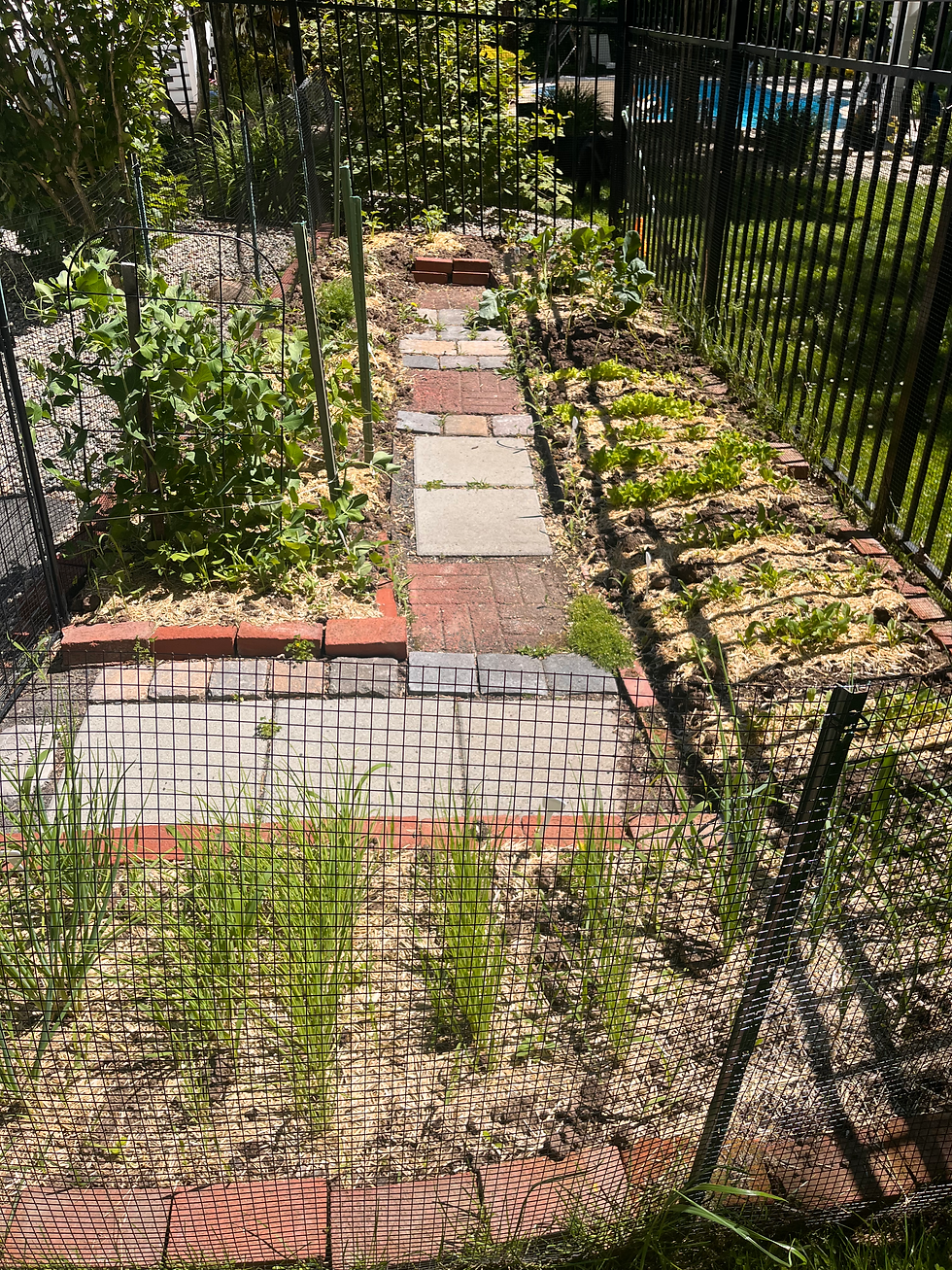
In fact, one of the reasons I love gardening is because it feels so wonderfully straightforward. I plant seeds. I water them. I weed around them. Sometimes I talk to them a little. I spend time outside feeling the breeze on my face, the warmth of the sun on my shoulders, and listening to the birds argue with each other from nearby trees. Then, if everything goes according to plan, the plants grow, I harvest them, and everyone is happy.
Writing has never worked that way for me.
Over the years, I have planted countless seeds. Ideas for novels. Screenplays. Articles. Projects. Some seemed incredibly promising and never went anywhere. Some struggled for years before quietly fading away. Others looked like failures at first only to reveal their value much later. And every now and then, one takes on a life of its own.
The longer I write, the more I realize that creativity has a lot in common with gardening. You can prepare the soil. You can do the work. You can show up every day. But there is still a mystery to it. Some seeds never emerge. Some struggle. Some surprise you. And some produce gifts you never expected.
I've planted a lot of seeds over the years. Most didn't come up. A few grew for a while and then stalled. Some taught me something important even though they never reached the finish line.
And then there was Raising Artemis.

Of all the ideas I have planted over the years, this was not necessarily the one I expected to flourish the way it has. What made Raising Artemis different was that it grew from a deeper place than most of my other work. It came from the part of me I don't always share with other people—the part that wrestles with loss, hope, faith, grief, healing, and all the questions that don't have easy answers. Like the best things in a garden, it arrived on its own timetable. It demanded patience. It surprised me more than once. And somewhere along the way, it became something I never could have fully predicted when I first planted the seed.
Lately I've also found myself thinking about how strange it is that most of us don't start planting gardens when we're young. When we're young, we're building careers, chasing goals, proving ourselves, and trying to create momentum. We want things to happen quickly. We want results. We want certainty.
At some point, though, many of us begin to crave something different. We want to grow things that are real. Things that take time. Things with roots.
Maybe that's one of the reasons gardening has become so meaningful to me. The older I get, the less interested I am in forcing outcomes and the more interested in showing up, doing the work, and seeing what unfolds. There was a time when I wondered why certain dreams took so long to materialize or why some opportunities never seemed to arrive when I thought they should. Now, looking back, I can see that many of them were simply waiting for the right season.
Raising Artemis feels a little like that.
For years I planted seeds—stories, ideas, projects, and ambitions. Some flourished. Many didn't. But this one arrived when I was ready for it. Not the younger version of me who wanted to control every outcome, but the version who has learned to trust the process a little more. The version who has done the work, paid her dues, weathered a few disappointing seasons, and finally understands that growth can't always be rushed.
These days, I'm less focused on controlling what happens next and more interested in enjoying the ride. The garden has taught me that. So has writing. And perhaps that's the greatest gift of getting older: realizing that not every seed needs to sprout immediately, and that sometimes the most meaningful harvest arrives exactly when it's supposed to.
If you'd like to follow along as Raising Artemis continues its journey toward publication, I invite you to join the Artemis Circle for updates, reflections, and occasional glimpses into life in my Connecticut garden.


